

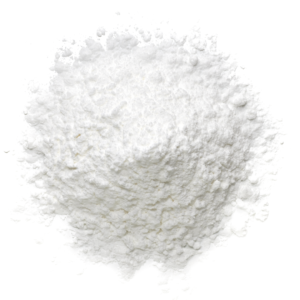
Azelaic Acid


Multi-benefit active for blemish-prone skin, uneven tone, and texture. Best used in leave-on emulsions and gels with smart solubility and comfort design.
Azelaic Acid is a versatile active used to support clearer-looking skin, smoother texture, and a more even appearance of tone.
It is popular in routines for breakouts, post-breakout marks, and redness-prone skin, because it delivers results without feeling like a harsh acid system when formulated well.
Azelaic acid has limited water solubility, so it performs best when you use the right delivery approach and focus on good sensory and comfort.
FEATURES
- Blemish routine support – helps improve the look of congestion and post-breakout marks.
- Even tone support – targets the appearance of uneven tone and discolouration.
- Texture refining – supports smoother-looking skin over time.
- Comfort focused – works well in gentle, barrier-aware formulas when properly delivered.
BEST FOR
- Leave-on creams
- Gel creams
- Serums
- Spot treatments
- Blemish support moisturisers
FORMULATION GUIDELINES
| INCI | Azelaic Acid |
|---|---|
| Type | Multi-benefit active (tone + blemish + texture support) |
| Solubility | Low water solubility. Best handled as a fine dispersion or with a suitable solvent system. |
| Use Rate | 5–10% common for leave-on skincare. Lower levels can be used for sensitive positioning with a supportive brightening stack. |
| pH Compatibility | We recommend finished product pH 4.5–6.5 for leave-on skincare comfort and stability. |
| Temperature Tolerance | Stable under normal processing. We recommend adding with controlled mixing and avoiding unnecessary high-heat holding. |
| Pro Tip | For smoother feel, use finely milled azelaic acid and build a suspension system that prevents settling and grittiness. If you are formulating a gel cream, hydrate your thickener system first, then add azelaic acid as a uniform dispersion. Pair with calming support (example: beta glucan, allantoin, panthenol) to improve comfort, especially at higher doses. If the product stings, lower the percentage, improve barrier support, and re-check pH. |
| Appearance | White crystalline powder |
| Stability Notes | Main risks are settling, grittiness, and uneven skin feel. Build a strong suspension strategy and test across temperature cycles. |
| Storage | Keep sealed, cool and dry. Protect from humidity. |
Related Products

Oil phase exfoliating active for a smoother looking texture and brighter tone. Ideal for anhydrous serums, facial oils, and oil-based treatment blends.
Choose a size to see current availability
A stable, water-soluble derivative of Vitamin C that provides antioxidant protection, brightens the skin, and promotes collagen synthesis without the instability of pure ascorbic acid.
High-strength lactic acid concentrate for gentle AHA exfoliation, brightening support, and pH adjustment in water-based formulas when correctly dosed and pH controlled.
Choose a size to see current availability
A natural skin-brightening active that helps reduce hyperpigmentation and improve skin tone by inhibiting melanin production.
Choose a size to see current availability
High-purity alcohol used for formulation solubilisation, preservation, and sanitisation. Common in hand sanitizers, toners, and as a solvent in cosmetic formulations.
A beta hydroxy acid (BHA) that provides deep exfoliation, unclogs pores, and reduces inflammation, making it ideal for acne-prone and oily skin.
Choose a size to see current availability
High-strength aqueous glycolic acid concentrate for professional exfoliation and texture refinement in rinse-off and leave-on formulas when properly pH controlled.
Also known as 4-Methoxyphenol (p-Hydroxyanisole). Commonly used as an antioxidant and polymerization inhibitor in certain technical and nail system applications.
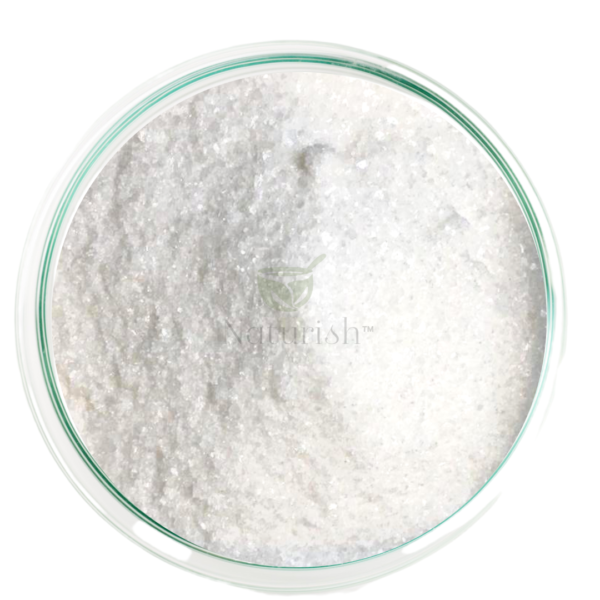
A gentle AHA with a larger molecular size that supports smoother texture, clearer-looking pores, and more even tone with a lower sting profile than stronger AHAs.
Clear, water based botanical for oily and blemish prone formulas. Easy to use in toners, serums, gels, and gentle cleansers.
Potent essential oil for oily, blemish-prone, and scalp care formulas. Best used at low levels with proper solubilisation.

A calming botanical active that helps reduce the look of redness, supports an even tone, and improves overall skin comfort in sensitive or reactive formulas.
V*****a E***a (verified owner) –
Thank you. Recieved it on time
[...]