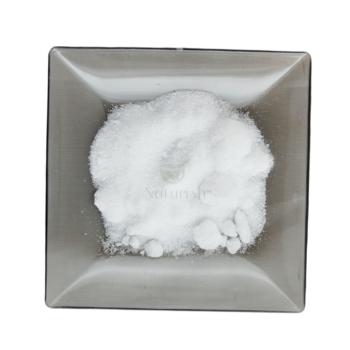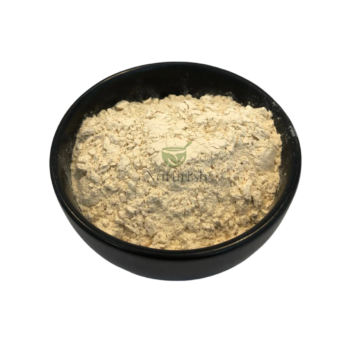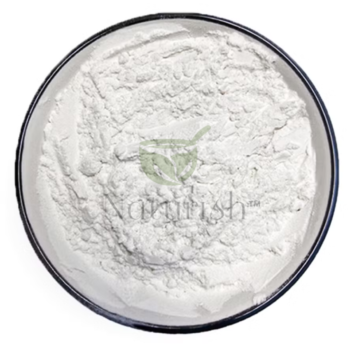
Vitamin C derivatives for skin formulation are among the most powerful — and most misunderstood — actives in a cosmetic chemist’s toolkit. Pure L-Ascorbic Acid, Sodium Ascorbyl Phosphate (SAP), Magnesium Ascorbyl Phosphate (MAP), and Ascorbic Acid 2-Glucoside (AA2G) each offer brightening, antioxidant protection, and collagen support — but with vastly different stability profiles, pH requirements, and formulation demands. This guide breaks down everything you need to choose the right form for every formula you build.
Why Vitamin C is Complicated
Pure Vitamin C — L-Ascorbic Acid — is biologically potent. At the right concentration and pH, it’s one of the few actives with robust clinical evidence behind it. The problem? It oxidises rapidly. Expose it to light, heat, air, or the wrong water activity, and it turns orange, loses efficacy, and can actually generate free radicals rather than neutralise them.
This instability drove decades of research into derivatives — forms of Vitamin C that are chemically stabilised, then converted back to ascorbic acid on or within the skin. Each derivative trades some potency for dramatically improved stability. The art of formulation is choosing the right trade-off for your product and your customer.
“The most potent form of Vitamin C is the one your formula can actually deliver to the skin intact — not the one that oxidised on shelf.”
Four Forms Worth Knowing
These are the Vitamin C derivatives we carry at Naturish, and the ones we consider most relevant for professional cosmetic formulation in the African climate — where heat and humidity place extra demands on stability.
The Quick Comparison
Use this table as a quick reference when selecting your Vitamin C form. Ratings are based on typical formulation performance.
| Derivative | Stability | Brightening | Antioxidant | Ease of Use |
|---|---|---|---|---|
| L-Ascorbic Acid | ||||
| SAP | ||||
| MAP | ||||
| AA2G |
Ingredients That Boost Vitamin C
Vitamin C performs better in combination. Here are the three pairings we recommend most often to our formulators.
-
01
Vitamin C + Ferulic Acid — The most studied combination in the industry. Ferulic acid stabilises Vitamin C (especially L-AA) and doubles its UV-protective capacity. Use 0.5% Ferulic Acid alongside your Vitamin C system in any antioxidant serum.
-
02
Vitamin C + Niacinamide — A much-debated combination that is perfectly safe and synergistic when derivatives are used. The old concern about niacinamide forming nicotinic acid with L-AA is temperature- and concentration-dependent. With SAP, MAP, or AA2G, this combination produces excellent brightening results.
-
03
Vitamin C + Tranexamic Acid — A powerhouse for hyperpigmentation. Tranexamic acid targets plasminogen activation while Vitamin C inhibits melanin synthesis at the tyrosinase level. Combined, they address dark spots through two complementary pathways.
Formulating for African Skin & Climate
Formulating in Nigeria and across Africa comes with specific considerations that many international guides overlook. High UV index, humid climate, and the needs of melanin-rich skin all shape your choice of Vitamin C derivative.
For most African markets, we recommend SAP or AA2G as the default choice. The warm storage temperatures and humidity common in Nigerian homes put extra pressure on L-Ascorbic Acid — even well-formulated products can oxidise prematurely on shelf. SAP and AA2G maintain efficacy across this range reliably.
“Melanin-rich skin responds beautifully to Vitamin C — but the formulation must survive the climate it’s sold into. Stability is not optional.”
Common Questions from Formulators
These are the questions we hear most often from cosmetic formulators across Nigeria and Africa working with Vitamin C actives.
More from the Blog
View all articles