Niacinamide — also known as Nicotinamide or Vitamin B3 — is one of the most comprehensively studied actives in cosmetic science. It repairs the skin barrier, fades hyperpigmentation, controls sebum, minimises pores, reduces redness, and fights the signs of ageing. All at skin-friendly pH. All in the same formula. For cosmetic formulators in Nigeria and across Africa, it may be the single most valuable active ingredient in your toolkit.

What Makes Niacinamide Different

Most actives do one job. Retinol fights ageing. Salicylic Acid treats acne. Kojic Acid brightens. Niacinamide does all of the above — and tolerates more formulation types, more skin types, and more pH ranges than almost any other active you’ll work with.

Its mechanism is multi-pathway. It supports ceramide synthesis (barrier repair), inhibits melanosome transfer between melanocytes and keratinocytes (brightening), reduces sebum secretion (acne and pore control), and acts on inflammatory pathways (redness and sensitivity). This makes it uniquely useful for melanin-rich skin types that often need all four benefits simultaneously.

🛡️
Barrier Repair
2–5%
Stimulates ceramide production, strengthening the skin barrier and reducing transepidermal water loss.
Brightening
4–5%
Inhibits melanosome transfer to reduce hyperpigmentation and even out skin tone — especially effective on melanin-rich skin.
🫧
Pore Minimising
2–4%
Reduces sebum production and improves pore appearance over 8–12 weeks of consistent use in leave-on formulas.
🔥
Anti-Inflammatory
2–5%
Calms redness and irritation by modulating inflammatory mediators — excellent for post-procedure or sensitive skin formulas.
Anti-Ageing
5%
Increases collagen production, reduces fine lines and yellowing, and improves overall skin elasticity with consistent use.
🧴
Sebum Control
2–4%
Regulates sebaceous gland activity — a key benefit for oily and acne-prone skin types common in tropical climates.

“Niacinamide is the rare active that solves problems unique to melanin-rich skin — hyperpigmentation, oiliness, barrier sensitivity — all in one ingredient.”

Niacinamide PC vs Niacinamide USP

Both grades are forms of Nicotinamide (Vitamin B3). The difference lies in purity specification and the standard they’re tested to. Both are excellent for cosmetic formulation — but they suit different product tiers.

Cosmetic Grade
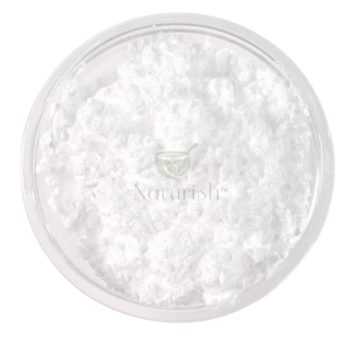
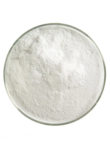
Niacinamide PC cosmetic grade buy Nigeria Naturish
Niacinamide PC
Niacinamide (PC Grade)
High-purity cosmetic grade Niacinamide optimised for skin performance. The go-to choice for premium serums, toners, and moisturisers where skin feel and clarity of the final formula matter.
SolubilityWater soluble
pH Range5.5 – 7.0 (ideal)
Use Level2 – 10%
Best ForSerums, essences, premium moisturisers
Shop Niacinamide PC
Pharmaceutical Grade
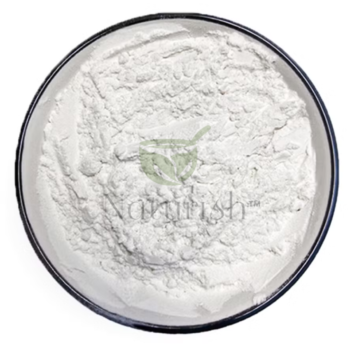
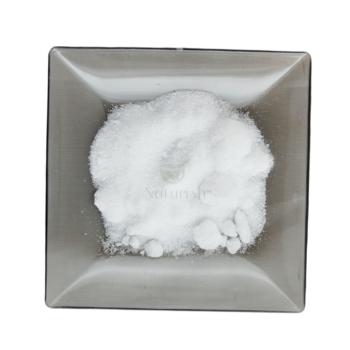
Niacinamide USP pharmaceutical grade buy Nigeria Naturish
Niacinamide USP
Nicotinamide (USP Grade)
Meets United States Pharmacopeia standards — the highest purity certification available. Excellent for formulas positioned as clinical, medical-grade, or dermatologist-recommended skincare.
SolubilityWater soluble
pH Range5.5 – 7.0 (ideal)
Use Level2 – 10%
Best ForClinical skincare, medical-grade positioning
Shop Niacinamide USP
💡
Which should you choose?
For most independent formulators and brands, Niacinamide PC is the right starting point — it delivers excellent skin performance and is priced for commercial viability. Upgrade to USP grade if your brand positioning targets dermatology clinics, pharmacies, or medical-adjacent channels where pharmaceutical grade documentation is expected by buyers.

How Much Niacinamide to Use

Niacinamide is one of the few actives where more is genuinely not always better. The sweet spot depends entirely on your formula’s target benefit and your customer’s skin type.

Concentration Primary Benefit Best Formula Type Notes
2% Barrier repair, mild brightening Daily moisturiser, eye cream Safe for all skin types including very sensitive
4–5% Brightening, pore minimising Brightening serum, toner, essence The clinical evidence sweet spot for melanin-rich skin
5–8% Acne, sebum control, ageing Acne serum, oily skin moisturiser Highly effective; monitor for sensitivity in some users
10% Intensive acne treatment Spot treatment, prescription-adjacent formula Can cause flushing — test thoroughly before launch
⚗️
pH is Critical
Keep your formula between pH 5.5–7.0 for best Niacinamide performance. Below pH 5, there is increased risk of hydrolysis to nicotinic acid (which can cause skin flushing and redness). Above pH 7, efficacy drops. Always check finished formula pH — not just the Niacinamide solution pH.

Ingredients That Work With Niacinamide

These are the pairings that produce the strongest results in the formulas we see most from Nigerian and African cosmetic brands.

Niacinamide + Tranexamic Acid Best for Hyperpigmentation
The most powerful brightening combination for melanin-rich skin. Niacinamide blocks melanosome transfer while Tranexamic Acid inhibits plasminogen activation — attacking hyperpigmentation through two completely different biological pathways for significantly stronger results than either alone.
Shop Tranexamic Acid
Niacinamide + Vitamin C Safe & Synergistic
Contrary to old formulation myths, this combination is completely safe and highly effective when Vitamin C derivatives are used. SAP, MAP, or AA2G paired with Niacinamide delivers double-pathway brightening with excellent stability. Read our full guide on this in our Vitamin C Derivatives article.
Read the Vitamin C Guide
Niacinamide + Kojic Acid Brightening Stack
A three-pathway brightening stack. Kojic Acid inhibits tyrosinase while Niacinamide blocks melanosome transfer — approaching dark spots at two stages of the melanin production process. Particularly effective in serums targeting post-inflammatory hyperpigmentation from acne scarring.
Shop Kojic Acid
Niacinamide + Salicylic Acid Acne Formula
The classic acne formula combination. Salicylic Acid exfoliates inside the pore and removes blockages, while Niacinamide reduces sebum production and calms post-acne inflammation. Together they treat the breakout and prevent the next one. Keep pH between 3.5–4.0 for BHA efficacy while staying within Niacinamide’s safe zone.
Shop Salicylic Acid

Why Niacinamide is Ideal for African Formulators

The three skin concerns that dominate product demand across Nigerian and African markets — hyperpigmentation, oiliness, and acne scarring — are exactly the three things Niacinamide addresses most effectively. This is not a coincidence.

Post-inflammatory hyperpigmentation (PIH) — the dark marks left behind by acne, insect bites, or injuries — is significantly more pronounced in melanin-rich skin because the melanin response to inflammation is much stronger. Niacinamide at 4–5% consistently reduces PIH across multiple clinical studies in darker skin phototypes, making it arguably the most market-relevant brightening active for the African formulator.

  • 01
    Post-Inflammatory Hyperpigmentation (PIH) — Use 4–5% Niacinamide as the anchor active, paired with Tranexamic Acid for stronger results. Target leave-on serums and moisturisers used consistently over 8–12 weeks.
  • 02
    Oily & Acne-Prone Skin in Tropical Climate — 5% Niacinamide in a lightweight gel or fluid emulsion reduces sebum significantly without over-drying — critical in Nigeria’s heat and humidity where heavy occlusives can worsen breakouts.
  • 03
    Barrier-Compromised Skin — Many Nigerian consumers have been using harsh skin-lightening products that compromise barrier function. 2–4% Niacinamide in a gentle moisturiser is a first-step repair formula before introducing stronger actives.

“For African skin, Niacinamide is not just a nice-to-have — it addresses the three most commercially important skin concerns on one continent in a single, gentle, well-tolerated active.”

Common Questions from Formulators

The most frequent questions we get from cosmetic formulators working with Niacinamide across Nigeria and Africa.

2–5% is effective for most skin benefits including barrier repair, brightening, and pore minimising. 10% is used for acne-prone skin but can cause flushing in some individuals. For daily-use serums targeting hyperpigmentation on African and Nigerian skin, 4–5% is the sweet spot with the strongest clinical backing and best tolerability. Shop Niacinamide PC →
Yes — and we strongly recommend this combination for brightening formulas. The concern about them forming nicotinic acid together is largely overstated, especially when using Vitamin C derivatives like SAP or AA2G. Read the full breakdown in our Vitamin C Derivatives Guide.
Both are Nicotinamide (Vitamin B3). Niacinamide PC is a highly refined cosmetic grade ideal for serums and premium skincare. Niacinamide USP meets pharmaceutical purity standards and suits brands positioning products as clinical or dermatologist-grade. Both perform excellently in formulation — your choice depends on your brand positioning and customer expectations.
Yes — and it is particularly well-suited to melanin-rich skin. Niacinamide inhibits the transfer of melanosomes (pigment packets) from melanocytes to skin cells, which is exactly the mechanism responsible for post-inflammatory hyperpigmentation that is so prevalent in darker skin phototypes. At 4–5%, consistent use over 8–12 weeks produces measurable brightening results across clinical studies conducted on darker skin types.
Naturish stocks both Niacinamide PC and Niacinamide USP in Nigeria — available from 50g research quantities to bulk commercial volumes, with delivery across all Nigerian states and select African countries.